The November 2025 SNAP benefits dispute demonstrates how a political stalemate can destabilize programs intended to operate continuously, raising fundamental questions about who bears responsibility when funding collapses.
The November 2025 SNAP benefits dispute demonstrates how a political stalemate can destabilize programs intended to operate continuously, raising fundamental questions about who bears responsibility when funding collapses.
This analysis examines crime trends through the only lens that matters: measurable outcomes. Rather than speculation or political narratives, it focuses strictly on laws, court decisions, and enforcement actions that produced verifiable effects, positive, negative, or neutral. The goal is to distinguish what changed crime in the real world from what merely changed the debate.
Read MoreMayor Adams’ City of Yes for Housing Opportunity amendment falls short of fixing New York’s housing crisis. Mayor-elect Mamdani must transform this reform into real affordability.
Read MoreA government that can’t fund itself isn’t broken overnight—it erodes through years of partisan incentives. This shutdown is just the latest evidence of a Congress that rewards confrontation over cooperation. The crisis isn’t the lapse in funding but the polarization that made it inevitable.
Read MoreExploring the intersection between soccer, migration, labor, and law in Saudi Arabia and Qatar
Read MoreAs we await decisions in the cases of Trump v. Cook and Trump v. Slaughter, let’s take a step back and examine what the Unitary Executive Theory is, where it came from, and how it is making waves in the current administration.
Read MoreThis response examines the fabled and renowned case of Whistler v. Ruskin, a suit between an eminent artist and an incredibly influential art historian. Through the lens of this case, Parsa will examine contemporary relations between artists and art critics. For more information on Whistler v. Ruskin, please see Whistler’s account of the trial in his 1890 publication The Gentle Art of Making Enemies.
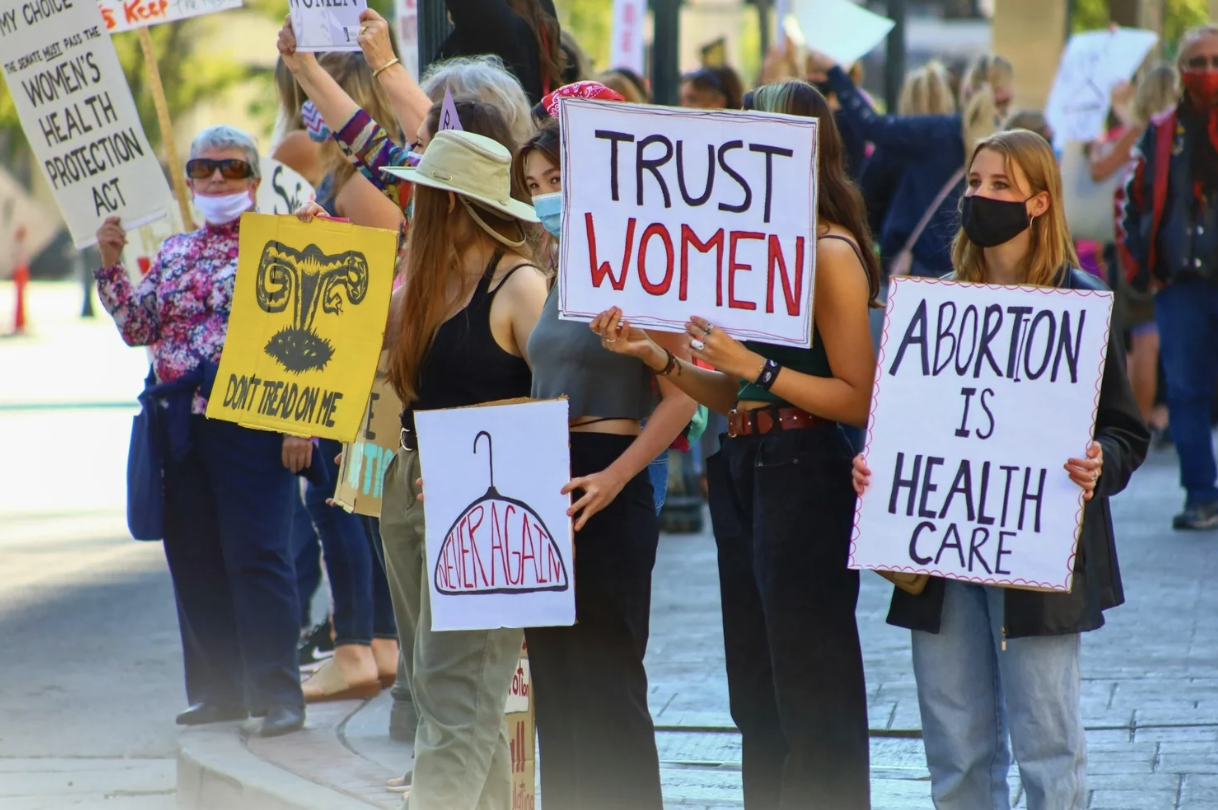
Read MoreSouth Carolina’s push to legislate Bill 323 has sparked debate on whether the delegalization of abortion is morally just or a legal overreach. Where autonomy is denied, power is stripped of the individual and the state begins to control.
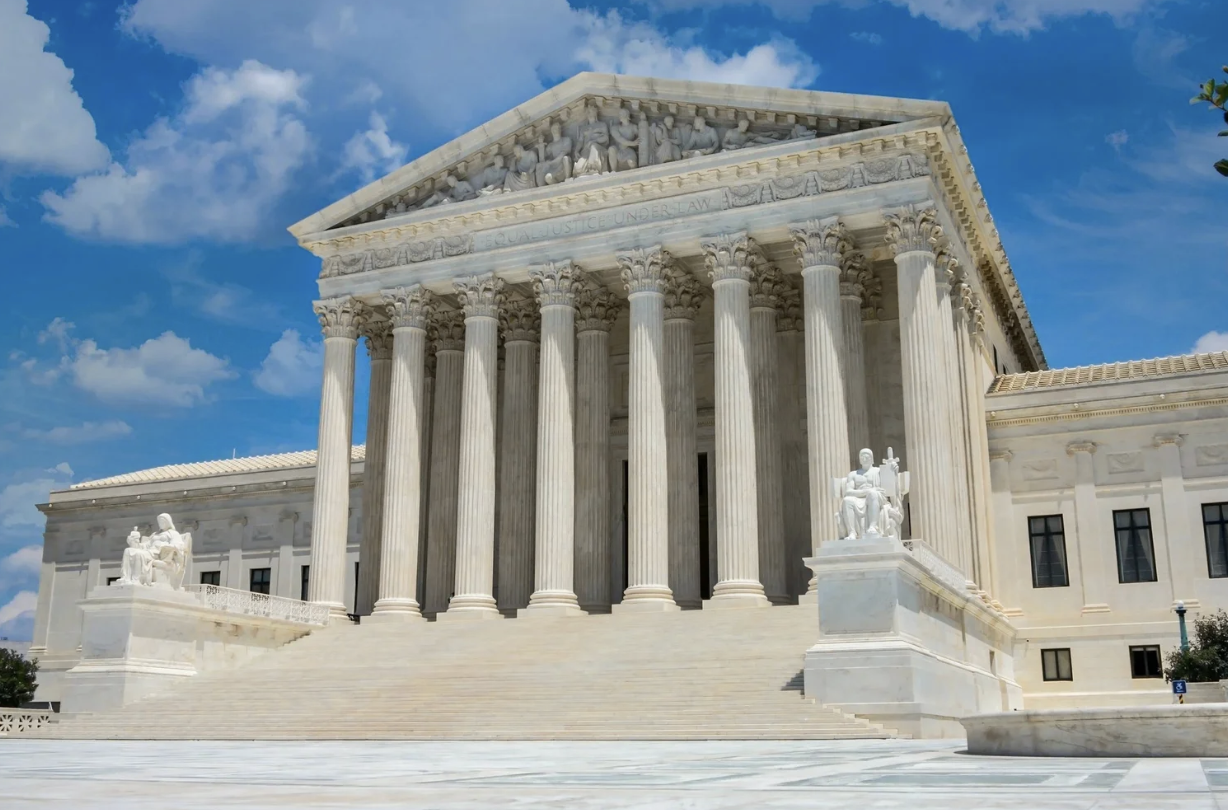
Read MoreNews about the Supreme Court’s “shadow docket” has taken over our newsfeeds. What is it, and is it really so different from the Supreme Court’s typical practice?
Read MoreFrom the Apollo missions to the ISS, outer space was once a frontier of progress and cooperation. However, in 2025, it has become the next arena of military rivalry and natural resource contest, driven by the inadequacy of our legal frameworks.
Read MoreAnalysis of Obergefell’s upcoming second day in court and what it means for many of the intimacy-based rights Americans enjoy today.
Read MoreThis response reflects on Justice Barrett’s first book, paying particular attention to the literary style and the Justice’s philosophy on the law and the Constitution.
Read MoreAn exploration of how Italy’s evolving citizenship laws–from ius sanguinus to ius scholae–reflect the country’s struggle to define who truly belongs to the Italian nation.
Read MoreThe Trump administration’s selective adherence to international law in its foreign policy suggests that American claims to “peace” often conceal the pursuit of power, a signal of deterioration in the modern global rules-based order.
Read MoreCold War legal echoes still shape the First Amendment free speech rights of Legal Permanent Residents in the United States.
Read MoreRecent legal battles prompted by President Trump’s withdrawal of federal waters from offshore wind energy development recall a long history of legal and political disputes over the use of presidential power to regulate energy infrastructure in the Outer Continental Shelf.
Read MoreA slew of majority-Democratic states have sued the Department of Justice in response to new limitations on the use of federal grant funding to aid survivors of sexual assault and domestic violence if they are undocumented immigrants. These new restrictions are likely to deter or prevent survivors of violence against women from coming forward, regardless of their immigration status.
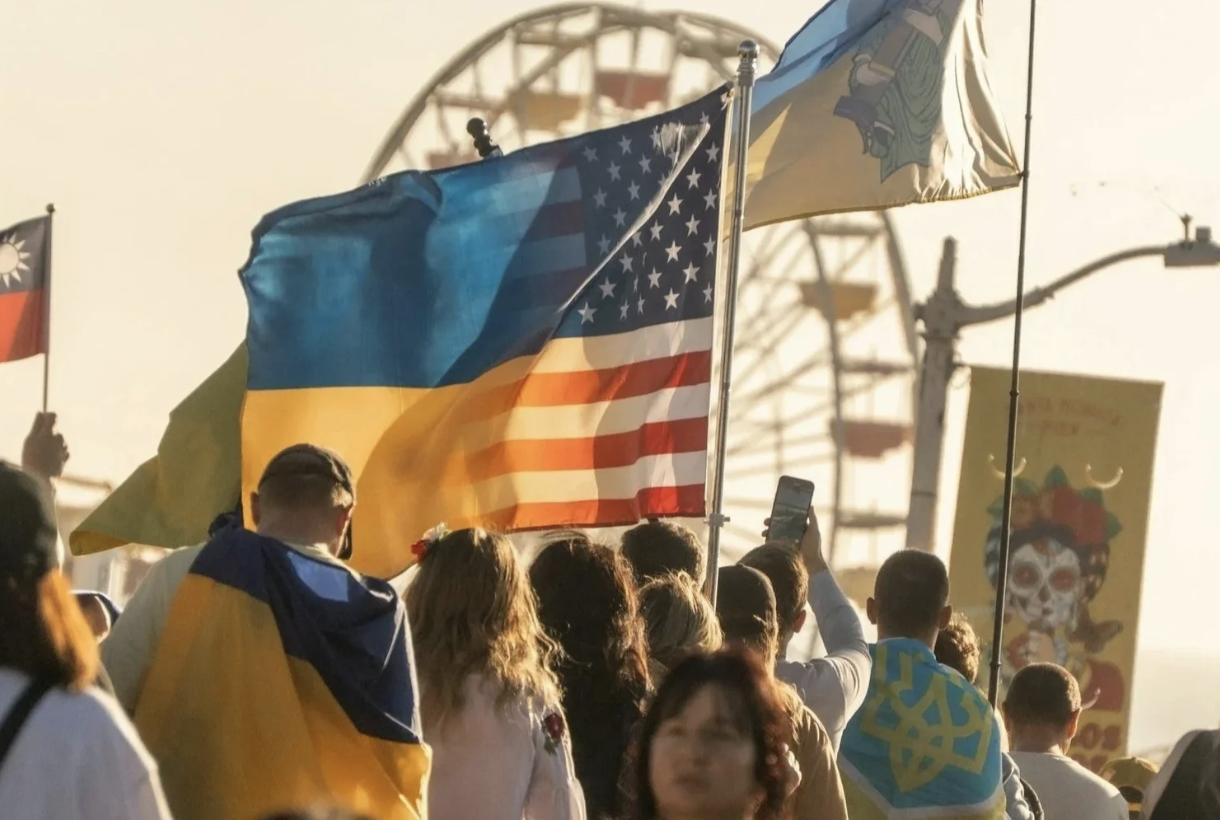
Read MoreSince Russia’s full-scale invasion of Ukraine in 2022, thousands of foreign volunteers, including many Americans, have traveled to join Ukraine’s fight against Russia. These fighters operate in a gray zone of the law. Are they unlawful mercenaries, or noble volunteers fighting for a just cause? The question exposes a gap between outdated U.S. laws (the Neutrality Act dating to 1794) and the so-called Foreign Enlistment Act of 1818) and modern realities.
Read More