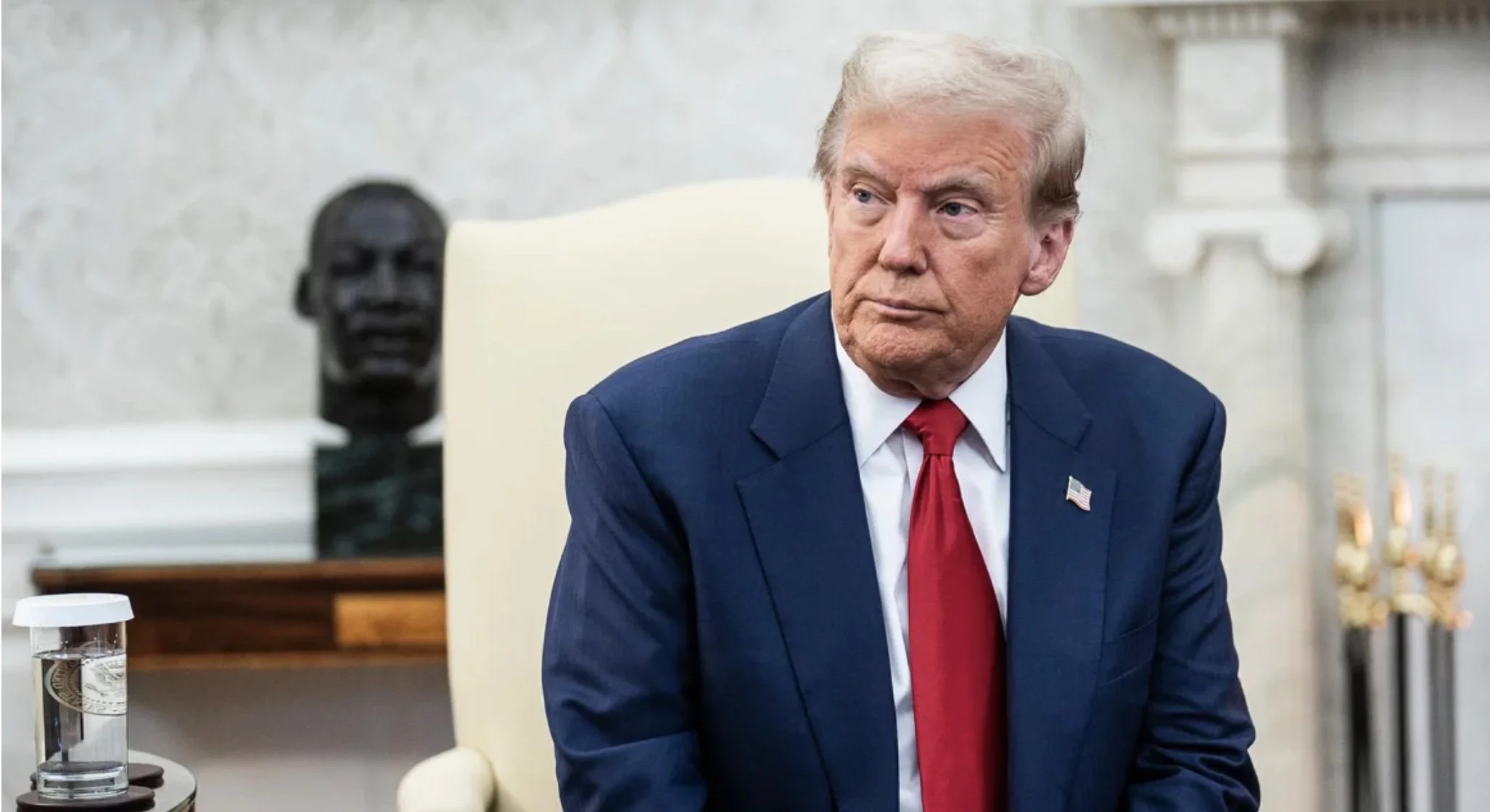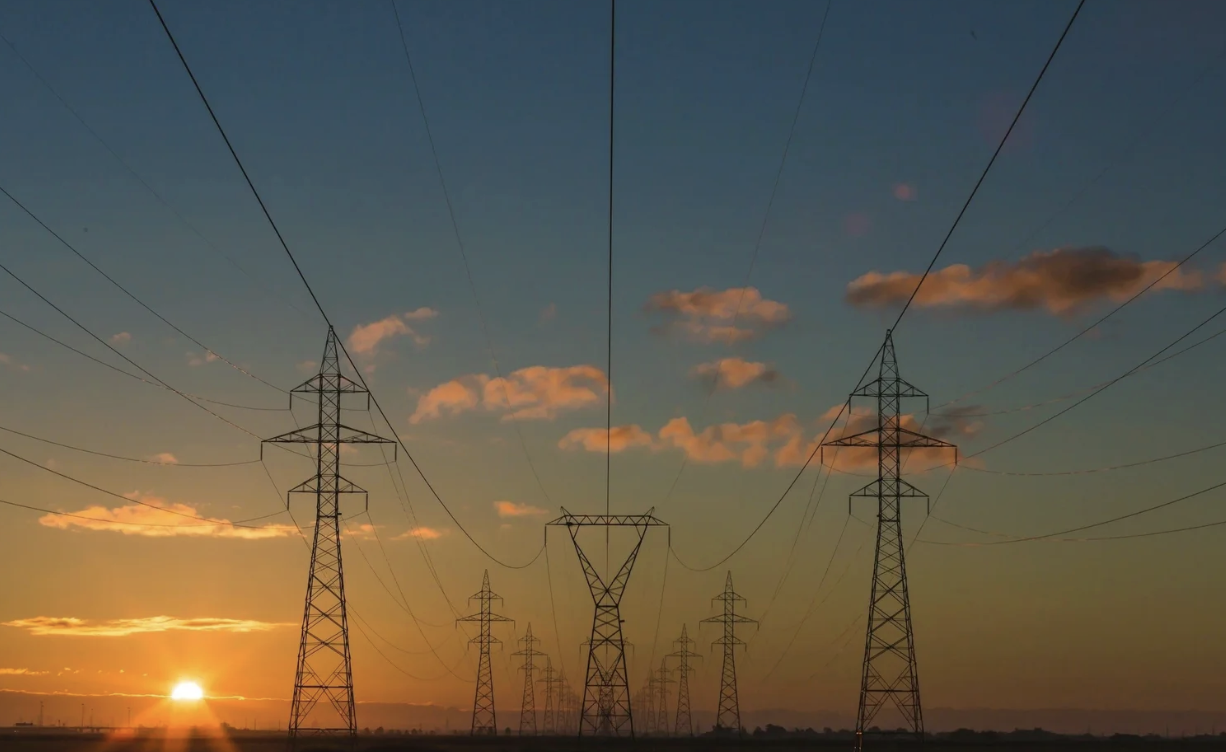
Recent legal battles prompted by President Trump’s withdrawal of federal waters from offshore wind energy development recall a long history of legal and political disputes over the use of presidential power to regulate energy infrastructure in the Outer Continental Shelf.
Read MoreA slew of majority-Democratic states have sued the Department of Justice in response to new limitations on the use of federal grant funding to aid survivors of sexual assault and domestic violence if they are undocumented immigrants. These new restrictions are likely to deter or prevent survivors of violence against women from coming forward, regardless of their immigration status.
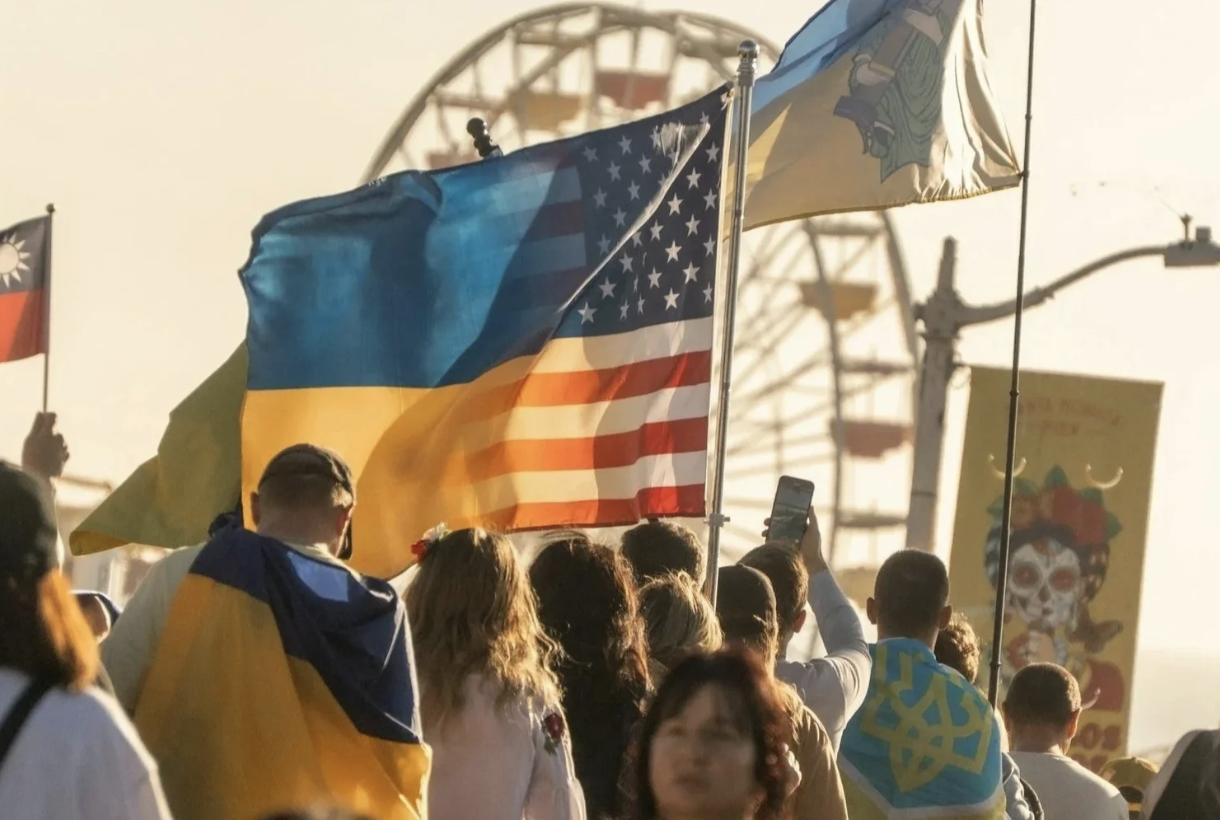
Read MoreSince Russia’s full-scale invasion of Ukraine in 2022, thousands of foreign volunteers, including many Americans, have traveled to join Ukraine’s fight against Russia. These fighters operate in a gray zone of the law. Are they unlawful mercenaries, or noble volunteers fighting for a just cause? The question exposes a gap between outdated U.S. laws (the Neutrality Act dating to 1794) and the so-called Foreign Enlistment Act of 1818) and modern realities.
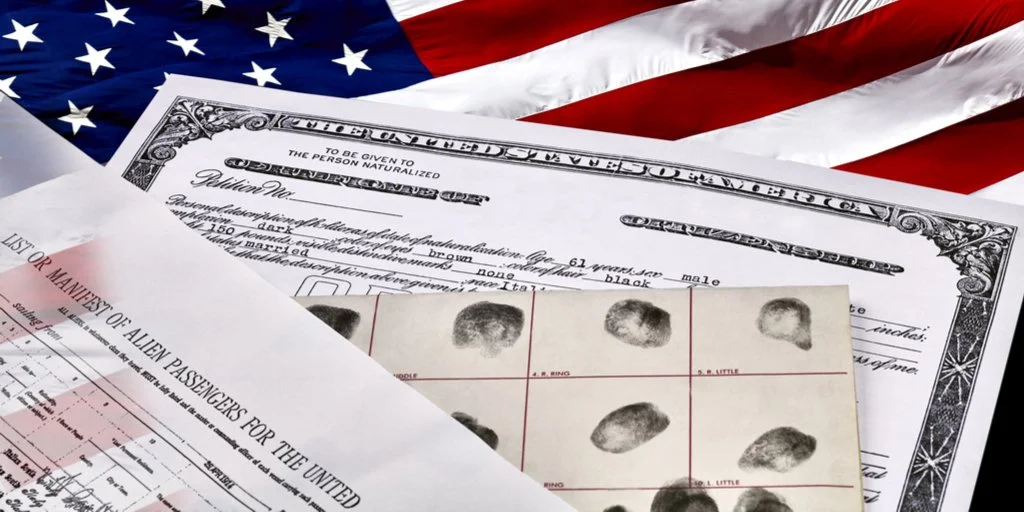
Read MoreTrump’s executive order on birthright citizenship tests the reach of presidential power and the legal meaning of belonging under the Fourteenth Amendment.
Read MoreWhile Barnes corrected a doctrinal divide on use of force by law enforcement at the federal level, the future of accountability will be determined in statehouses, where legislatures decide whether to impose stricter duties of care, proportionality, and de-escalation on officers.
Read More“Alligator Alcatraz”— a new Floridian immigrant detention facility — made headlines in the summer of 2025 for both its unusual name and allegations of both human and civil rights abuses regarding detainees. The lawsuit C.M. v. Noem seeks to push against federal and state attempts to constrict due process rights access under the Trump Administration’s aggressive immigration policy.
Read MoreTrump’s attempt to end the right to birthright citizenship has sparked a constitutional battle that could redefine the understanding of the Fourteenth Amendment and the judiciary’s power to check presidential overreach (Image Credit: CAIR California).
Read MoreContinuation from the previous blog post, we further explore originalism and birthright citizenship (Image Credit: Law & Liberty)
Read MoreFollowing Trump’s appointment of three Justices to the Supreme Court, legal observers and political pundits alike have prophesied a Judiciary dominated by a conservative bloc in firm lockstep with conservative politics. Despite kernels of truth in this vision of the Court, Trump’s challenge to birthright citizenship will find an inevitable stumbling block in the conservative bloc and its adherence to originalism.
Read MoreThis blog post unpacks the legal framework surrounding deportation, spotlights how the Trump administration’s immigration rhetoric influences related policies, and offers practical guidance for international students navigating a precarious and uncertain legal landscape. (Image Credit: EPA Images)
Read MoreIn November of 2024, California voters elected not to enact Proposition 6—a law that would have ended the use of involuntary prison labor in state correctional facilities. Though the proposition did not pass, it calls into question the ethics of the 13th Amendment’s allowance of involuntary servitude as punishment for a crime. (Image credit: CalMatters)
Read MoreThe trafficking of US guns across the US-Mexico border is a little-known crisis, but one that has contributed greatly to cartel violence in Mexico. In an attempt to rectify this, a recent Supreme Court case, Smith & Wesson Brands, Inc. v. Estados Unidos Mexicanos, seeks to answer the question: can US gun manufacturers be held accountable for the harm their guns have caused in Mexico?
Read MoreThe American divide on gun regulations persists with changes proposed to concealed carry regulations and assault weapons bans.
A federal judge’s injunction against California’s Age-Appropriate Design Code Act reignites a long-standing legal battle over how far governments can go to shield children online without infringing on free speech. As history shows, even well-intentioned laws face steep constitutional scrutiny in the digital age.
Read MoreThe Alien Enemies Act was written for wartime. Now, it’s being used to wage war on immigrants. Echoing centuries of anti-immigrant sentiment in the United States, Trump’s recent invocation of this Act is one of his many legally questionable power grabs. However, the Supreme Court may have finally drawn the line.
President Trump’s refusal to comply with federal court orders regarding his invocation of the Alien Enemies Act in his campaign of mass deportations threatens to topple the delicate balance between the judiciary and the executive branches.
Read MoreSince the start of the Trump administration, about 40 of the more than 700 immigration judges in the Justice Department have been fired or agreed to leave. Meanwhile, Trump has invoked an eighteenth-century wartime law to deport hundreds of foreign residents without a hearing in court. (Image credit: Reuters)
Read MoreSince the beginning of Russia’s full-scale invasion of Ukraine, one of the most horrifying and underreported atrocities has been the systematic deportation of Ukrainian children. The abduction of children is not merely a wartime aberration—it is a calculated strategy. Such actions are not only unethical —they are illegal under international humanitarian law and potentially amount to genocide. (Image credit: UNICEF)
Read More