The Bipartisan Campaign Reform Act restricts loan repayment to a candidate through post-election donations to $250,000. After loaning his campaign $260,000, Ted Cruz is challenging the BCRA in the Supreme Court on the grounds that it restricts his First Amendment rights. But could easing back these restrictions change the dynamics of U.S. elections?
Read MoreOn September 1, 2021, the Supreme Court upheld Texas Senate Bill 8, which has become colloquially known as the “Texas Abortion Ban.” This bill criminalizes abortions after roughly six weeks, notably earlier than most women suspect they are pregnant and employs monterary incentives to ensure Texans civilizans enforce the legislation.
Read MoreIn the shadow of Roosevelt’s trust busting, the Biden Administration revamps old antitrust legislation to tackle big tech. Facebook and Google have largely been at the receiving end of this effort. But, does an aging government have what it takes to regulate the tech sector?
Read MoreThe Supreme Court case Trump v Hawaii justified what was criticized as a Muslim country immigration ban. The precedents associated with this ban create a dangerous environment of unchecked Presidential power and long-term issues.
Read MoreReligious liberty proponents tend to condemn the reasoning outlined by Justice Scalia in Employment Division v. Smith (1990). In this article, I will explain how, all things considered, he actually took the most prudential approach possible to resolving this deceptively complex issue.
Read MoreFor unclear reasons, the Court remains unwilling to weigh in on the firearm debate. In order to shed light upon the current state of this escalating controversy, as well as the future of it, this article outlines the increasingly-disregarded precedents pertaining to the Second Amendment.
Read MoreThe USPSTF and Congress have worked with physicians to expand access to lung cancer screening, which nearly doubles the number of eligible patients for screening. This is a step that will benefit the healthcare system from being overburdened with treatment modalities in later stages of lung cancer and save countless patients, who can be treated at earlier stages.
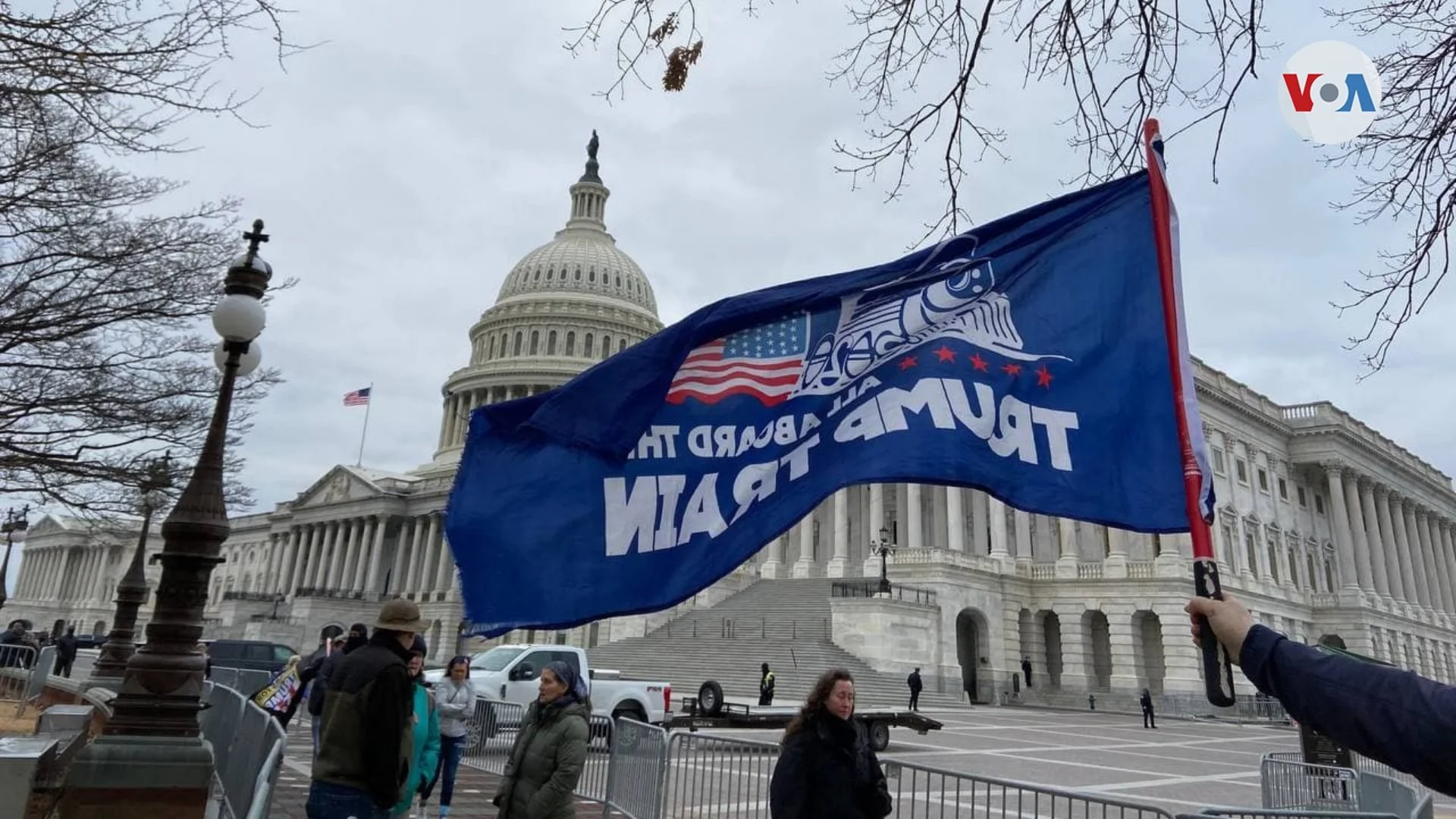
Read MoreThe media almost exclusively refers to January 6th as an insurrection. But what, exactly, are the connotations of the word, and what is the history behind it? It seems that since the Insurrection Act’s conception in 1807, the term has strayed away from its original intention, and has mostly been used as a racist tool or a bullying tactic.
Read MoreThe Framers curiously left the word “torture” out of the written Constitution. Consequently, a fervent legal debate over the enigmatic meaning of the Eighth Amendment continues to rage on. This article outlines some cogent arguments both for and against the constitutionality of torture and concludes with a realistic policy compromise inspired by act utilitarianism ethical theory.
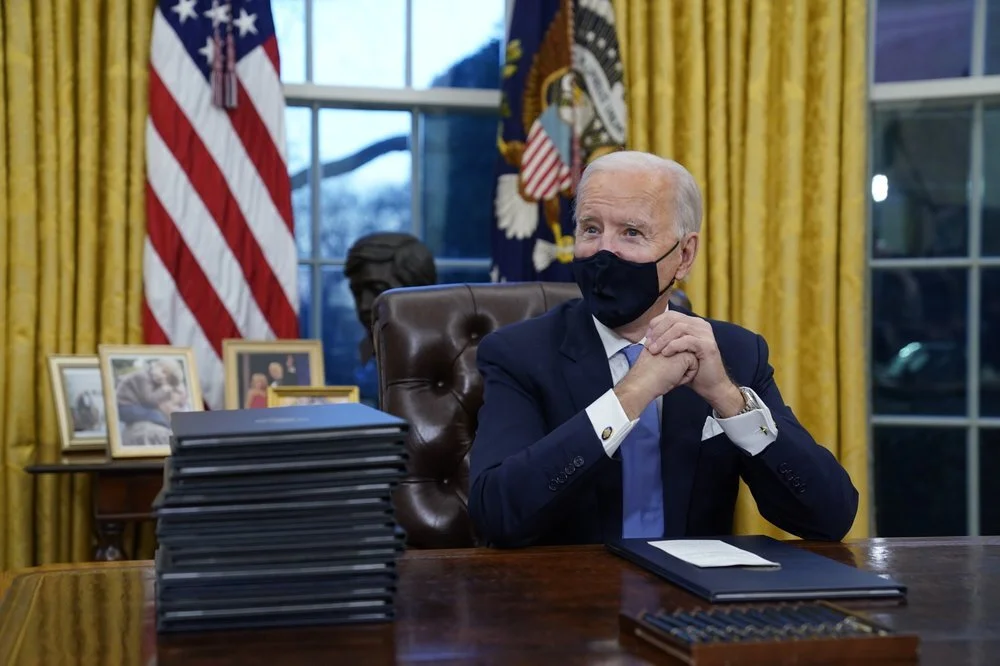
Read MoreAs President Joe Biden has settled into his first 100 days in office, Rhode Island immigrants and immigrants’ rights advocates have expressed excitement over the Biden Administration’s push to reverse immigration policies enacted under the Trump Administration. This excitement could soon be tempered, however, as Biden advocates for policies that may more closely align him with the “Deporter-in-Chief” persona of his predecessors.
Read MoreMobile devices, and consumer technology generally, is becoming the next platform for clinical research, but it is associated with increased risks and liability for participants. This technology includes smartphones and wearable devices that have the ability to track health metrics. Consequently, relevant legislation must increase in scope and magnitude to ensure the security and privacy of patient data on consumer technology platforms that are continuously evolving.
Read MoreThis article delves into the ruling of Dred Scott v. Sandford and analyzes President Lincoln’s opinion on this ruling. Lincoln’s response sheds light on the nature of the American legal system in its self-correcting ability to preserve legal integrity.
Read MoreThe U.S. Space Force is one of the most contentious creations of the Trump administration; is it a revolution in military intelligence gathering affairs or a failed reincarnation of Regan’s SDI? Given the United States’s treaty obligations, the future of the military in space remains unclear.
Read MoreImagine reading in your school newspaper that the school library has banned Harry Potter for the presence of witchcraft. This, unfortunately, is reality.
Read MoreThis article details the territorial conflict in the South China Sea, analyzes existing international law that governs the region, and looks at angles through which International Law can be used to preserve balance between the states that hold a stake in conflicts within the region.
Read MoreComplicated by the death of Justice Ruth Bader Ginsburg, the 2020 election cycle incited consternation over the fate of the Supreme Court on both sides of the aisle. Calls to expand the number of justices on the Supreme Court have encouraged increased attention upon the results of the run-off Senate elections in Georgia, as well as the historic attempt made by President Franklin Delano Roosevelt to “pack the court” amid the crisis of the Great Depression.
Read MoreAs Amy Coney-Barrett settles into her role as Supreme Court Justice in place of the late Justice Ginsberg, much is at stake. The reliable 5-4 majority that Ginsberg often secured for the more liberal Justices, is now far from certain. One of the areas up for renegotiation is the way in which the Court approaches religious cases. The introduction of Amy Coney-Barrett means that the court will be likely in favor of religious institutions over secular businesses.
Read MoreNothing repulses a veteran more than the sight of a burning American flag, and understandably so. The flag represents the unrivaled freedom that brave men and women continue to sacrifice their lives for. In light of the American flag’s profound significance, this article discusses whether or not it ought to remain constitutional to publicly deface our country’s most sacred symbol.
Read More